During World Breastfeeding Week, it’s important to look beyond awareness and recognize something deeper:
Breastfeeding is not just a personal choice; it’s a public health priority.
Despite ongoing campaigns, many women still face social, cultural, workplace, and even medical barriers that make breastfeeding difficult, especially during the first six months of life, when exclusive breastfeeding is most recommended.

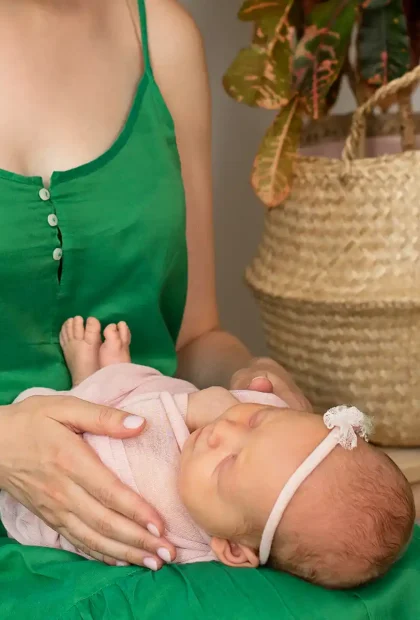
Beyond its nutritional value, breast milk offers immune protection, supports the development of the infant’s gut microbiome, and significantly reduces the risk of respiratory and gastrointestinal infections, as well as chronic diseases later in life. On an emotional level, it strengthens the mother-baby bond and supports neurological development, even improving stress regulation in later stages of life.
But the benefits aren’t only for the baby. Current scientific evidence confirms that breastfeeding also reduces the mother’s risk of breast cancer, ovarian cancer, and type 2 diabetes, while supporting the body’s natural postpartum recovery process.
Still, breastfeeding isn’t always easy. Many women need real, non-judgmental support. Misinformation, pressure to return to work quickly, lack of proper facilities, and insufficient professional guidance are some of the key factors that can disrupt the process.
Breastfeeding shouldn’t be limited to awareness campaigns or a single week of recognition. Real support happens every day, through informed care, supportive environments, and access to guidance that helps mothers feel confident in their journey.
To truly support breastfeeding, we need: